The Cummerbund Belt: An Unexpected Trend for 2026 – Who It Suits and How to Wear It

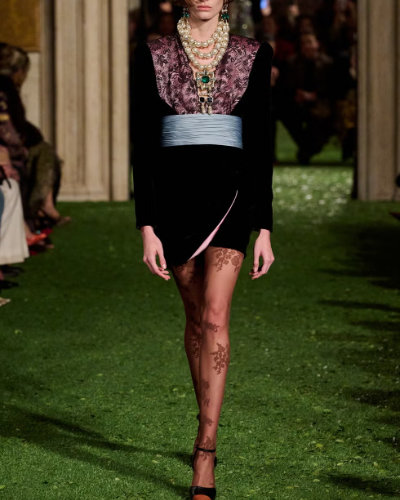
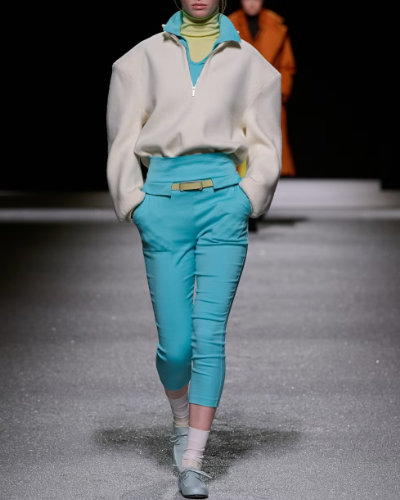
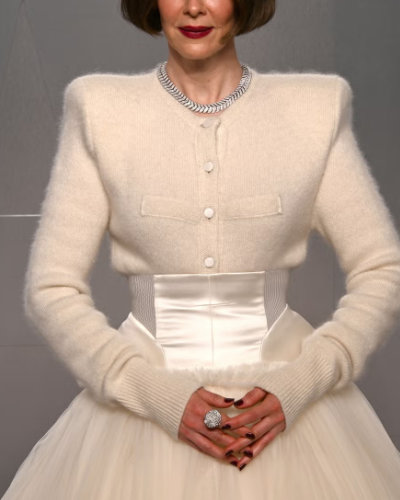
One of the most unexpected accessories of the Fall/Winter 2026 season has crossed over from men's evening wear into women's fashion. The cummerbund belt, traditionally worn with a tuxedo, is now being paired with shirts, jeans, skirts, dresses, and casual trousers.
It looks striking on the runway. But can such a wide belt be integrated into an everyday wardrobe? Let's break down how a cummerbund affects body proportions, who it suits best, and what items to pair it with.

Do you want to become a stylist?
 Learn more here

What is a cummerbund?

A cummerbund is a wide fabric belt that covers the waist area. Classic models are typically made of silk or satin and feature horizontal pleats.
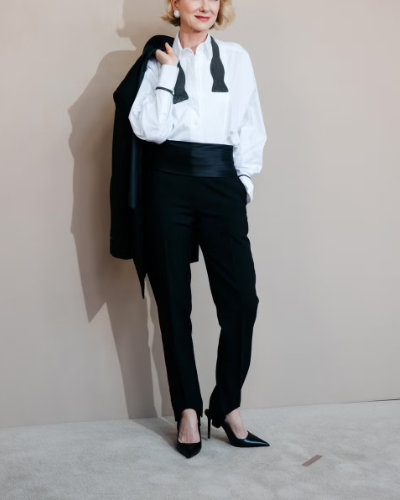
Originally, the cummerbund was part of a man's formal attire. It was worn with a tuxedo instead of a waistcoat to hide the transition between the shirt and trousers, creating a more streamlined silhouette.
In modern fashion, the cummerbund is no longer just an evening accessory. Designers are using it as a wide belt:
  • over shirts and blouses;
  • with trousers and jeans;
  • over dresses;
  • with blazers;
  • as a built-in detail on skirts and trousers;
  • as a bold color accent.
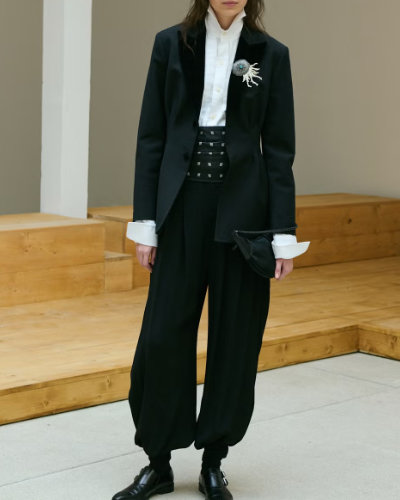
In the Fall/Winter 2026 collections, cummerbunds appeared at Valentino, Issey Miyake, Polo Ralph Lauren, and other brands. On the runways, they were paired not only with classic suits but also with mini dresses, jeans, cropped trousers, and sporty elements.

Why is this belt relevant again?

Modern fashion loves items used in unconventional ways. A strict menswear accessory is unexpectedly layered over a feminine dress, a relaxed shirt, or simple jeans. It is this very contrast that makes the look more interesting.
Furthermore, the cummerbund aligns with several current fashion movements:
  1. The return of the waist-defining accent;
  2. The ongoing interest in menswear tailoring;
  3. The popularity of wide belts;
  4. The mixing of evening and casual pieces;
  5. The desire to refresh a familiar wardrobe through accessories.
A single belt can give a new shape to a dress, shirt, or suit you already have in your closet.

How the cummerbund changes body proportions

A wide belt creates a noticeable horizontal line, visually dividing the figure into upper and lower halves. At the same time, it defines the waist and can create an "hourglass" silhouette effect.
The result depends on three factors:
  • the width of the belt;
  • its placement on the body;
  • the contrast between the belt and the clothing.
A wide, contrasting cummerbund draws maximum attention to the waist. A belt that matches the clothing color acts more softly and visually breaks up the silhouette less.
If you position the belt slightly above the natural waistline, the legs will appear longer. If you drop it lower, the torso will visually lengthen, but the legs may look shorter. Therefore, it's important not just to fasten the cummerbund, but to find the right placement for it.

Who suits the cummerbund?

For those who want to emphasize the waist. The cummerbund perfectly defines the center of the figure and helps create a more pronounced curve between the bust, waist, and hips. This trick works especially well with straight dresses, loose shirts, and unstructured blazers.
For the "rectangle" body type. A wide belt can visually create the illusion of a waist. To enhance the effect, add volume above and below the belt: voluminous sleeves, draping on a blouse, pleated trousers, or an A-line skirt. The belt shouldn't be too tight, though. Its goal is to create proportion, not to cinch the figure as much as possible.
For the "hourglass" body type. The cummerbund supports the natural proportions of this figure. It's best to choose medium-width models and wear them exactly on the waistline. The look will be harmonious if the top and bottom aren't overly voluminous.
For those with a long torso. A wide belt helps visually divide the upper body and balance proportions. It can be placed on the natural waistline or slightly above. It works particularly well when paired with high-waisted trousers or skirts.
For lovers of statement accessories. The cummerbund can replace jewelry. A colored satin belt, a textured model, or one with an unusual clasp becomes the focal point of the outfit. In this case, it's best to keep other accessories understated.

Who should use this trend with caution?

There are no strict rules against trends. However, some features of the cummerbund should be considered if you don't want to highlight certain areas or alter your body proportions.
With a short torso. A very wide belt can take up almost all the space between the bust and hips, visually making the upper body even shorter. Instead of a classic wide cummerbund, it's better to choose: a medium-width model; a belt without large pleats; a color close to the clothing; and a soft fabric without extra volume. Avoid raising the belt too high toward the chest.
If you don't want to draw attention to the stomach. A contrasting, shiny belt becomes the center of the composition and highlights the waist and stomach area. A more subdued solution would be a matte cummerbund in the same color as the outfit. You can also layer an unbuttoned blazer over it: its vertical lines will help elongate the silhouette. It's important that the belt isn't too tight and doesn't create folds in the clothing.
With a large bust. A very wide belt worn high up can visually shorten the distance between the bust and the waist. It's better to choose a medium-width cummerbund, wear it on the natural waistline, and pair it with tops that have an open neckline: a V-neck, an unbuttoned collar, or a minimalist blouse.
With a significant difference between the waist and hips. A stiff, straight cummerbund might gap away from the body or bunch up. In this case, it's better to look for a model with an adjustable closure, an elastic insert, or soft tie-fastenings. Always check the fit not only while standing but also while sitting.
For petite heights. A wide, contrasting belt can divide the figure into several horizontal blocks, visually reducing height. To maintain a vertical line, pair the cummerbund with monochromatic clothing. For example, a black belt with a black dress, or a burgundy one with an outfit in similar shades.

What to wear with a cummerbund?

With a white shirt. This is one of the easiest ways to try the trend. Choose an oversized white shirt, straight trousers or jeans, and wear the cummerbund over the shirt. You can slightly roll up the sleeves and leave the collar unbuttoned. The belt will gather the volume of the shirt and make the look more expressive. A black, navy, or brown cummerbund is suitable for the office. For an evening out, you can choose a satin model in deep burgundy, emerald, or pink.
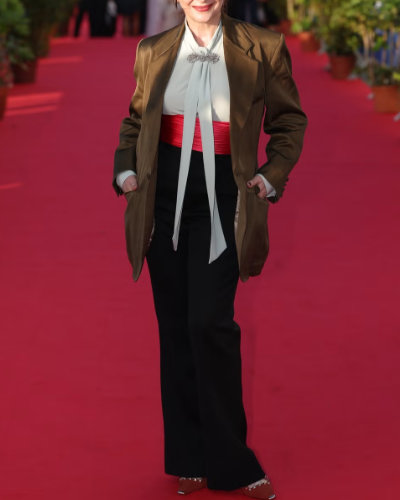
With classic trousers. The cummerbund looks especially organic with trousers because it is historically linked to menswear. For a modern look, try: high-waisted wide-leg trousers; straight trousers with creases; pleated models; or cropped trousers with loafers. You can choose a belt that matches the trousers—then it will look like part of the garment's construction. A contrasting model will accentuate the waist.
With jeans. It is the combination of a dressy belt and casual denim that creates the trendy "mismatched" effect. The cummerbund looks best with minimalist jeans without heavy distressing. Add a solid shirt, top, or thin sweater. If the belt is satin and quite dressy, it's better to keep shoes and bags understated.
With a dress. The cummerbund helps change the silhouette of a loose or straight dress. It pairs especially well with: shirt dresses; slip dresses; straight midi dresses; dresses with voluminous sleeves; and minimalist knit dresses. Choose a matte belt for a daytime look. For the evening, silk, satin, velvet, or decorative embroidery will work well.
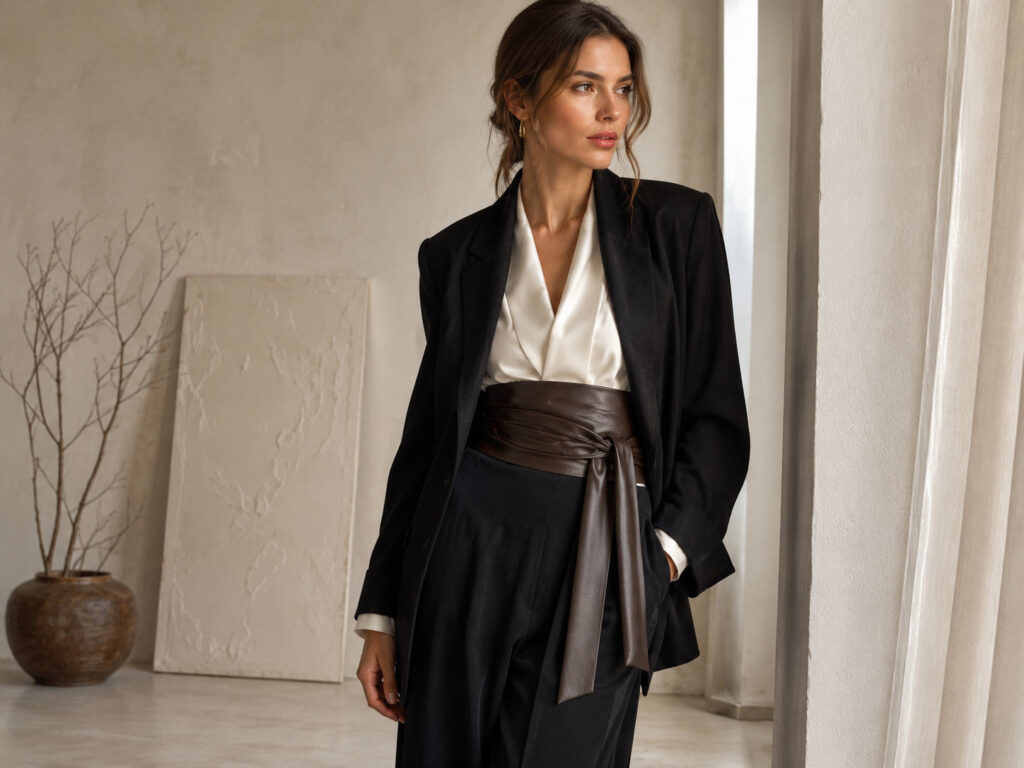
With a blazer. The cummerbund can be worn under an unbuttoned blazer or over it. The first option is more versatile. The belt defines the waist, while the vertical lines of the blazer elongate the silhouette. A cummerbund over a blazer is a bolder runway trick. For this, you need a blazer made of relatively thin fabric that won't bunch up under the belt in heavy folds.
With a skirt. The belt works best with high-waisted skirts. This could be: a straight midi skirt; an A-line skirt; a satin skirt; a skirt with soft pleats; or a long denim model. If the skirt is voluminous, it's better to choose a calmer top. If the skirt is straight, you can add a blouse with voluminous sleeves.

Five ready-made outfit formulas

For the office: White shirt + wide grey trousers + black matte cummerbund + loafers + structured bag.
For everyday: Straight blue jeans + solid top + burgundy cummerbund + blazer + ballet flats.
For a date: Slip dress + satin belt in a matching shade + relaxed-fit blazer + slingback pumps.
For an evening event: Black midi dress + contrasting silk cummerbund + earrings + small clutch.
For a creative look: Oversized shirt + cropped wide-leg trousers + bright belt + derbies or loafers.

Main mistakes

Too many accents. If the cummerbund is bright, shiny, or textured, it already becomes the main accessory. A large necklace, bold earrings, a complex bag, and unusual shoes can overload the look. Leave one main focal point and one or two supporting ones.
Incorrect belt placement. A belt that constantly rides up under the bust or slides down to the hips disrupts proportions and looks sloppy. Try the cummerbund on with the exact clothes you plan to wear it with. Check if it stays in place while you move.
Pulling it too tight. The cummerbund shouldn't restrict breathing, create creases, or deform the clothing. A modern look is built on a defined waist, not a corset effect.
Pairing with very thick clothing. If you wear the belt over a thick sweater or heavy blazer, extra bulk can appear around the waist. Shirts, blouses, dresses, and thin knits are better suited for a cummerbund.
Too literal evening look. A black cummerbund, white shirt, black trousers, patent shoes, and a bow tie can turn a women's outfit into a waiter's uniform or a men's tuxedo costume. To make the look modern, add an element of a different character: jeans, an unusual color, a soft shirt, feminine shoes, or relaxed trousers.

Main mistakes

What to replace a classic cummerbund with?

You don't necessarily have to buy a special belt. A similar effect can be created by:
  • a wide fabric belt;
  • a long silk scarf;
  • a soft obi belt;
  • a wide tie-waist cummerbund;
  • a corset belt without rigid cups;
  • trousers or a skirt with a wide yoke waistband.
For a first try, you can fold a large scarf into a wide strip and wrap it around your waist. This will help you understand if you like the new silhouette before buying a separate accessory.

How to choose a cummerbund in the store

Before buying, check a few things:
  • the belt doesn't restrict breathing;
  • it doesn't bunch the clothing into harsh folds;
  • it doesn't ride up when you move;
  • it suits your usual fit of trousers and skirts;
  • it pairs with at least three items in your wardrobe;
  • it looks good both with and without a blazer;
  • it holds its shape when you sit.
The most versatile will be matte models in black, chocolate, navy, or burgundy. If the accessory is needed for evening looks, you can choose satin, velvet, or a brighter shade.

Is it worth adding a cummerbund to your wardrobe?

The cummerbund is a noticeable but quite practical trend. It allows you to wear familiar shirts, dresses, trousers, and jeans in a new way, emphasizes the waist, and helps manage proportions.
However, you don't have to buy it just because it appeared on the runways. First, determine what task the accessory should solve:
  • emphasize the waist;
  • gather a loose garment;
  • add color;
  • dress up a casual look;
  • change body proportions.
If the goal is clear, the cummerbund can become not just a one-time trend, but a truly working element of your wardrobe.
Copyright © IELFS the Italian Fashion school all rights reserved.
crossmenuchevron-down