What Does a Fashion Designer Do—and How Can You Start Creating Your Own Collections?

Have you ever looked at a dress in a shop and thought, “I’d change the sleeves, choose a different fabric, and make it a little longer”? Or saved dozens of outfit photos because you could imagine the clothes you’d love to create yourself?

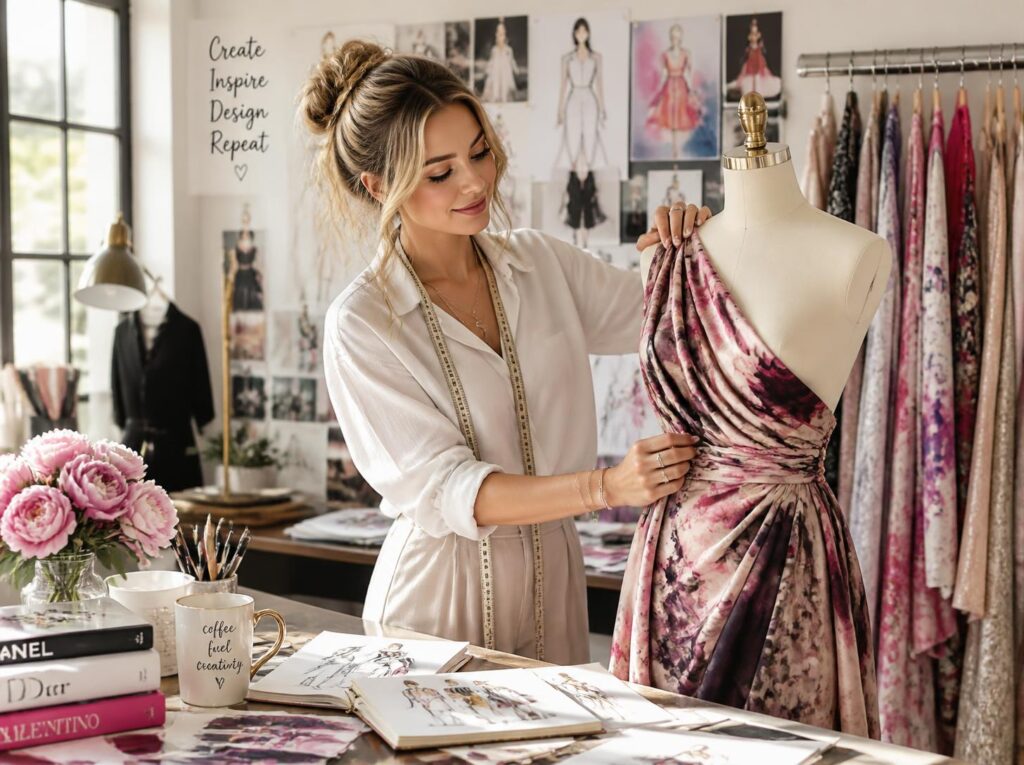
That interest can be the starting point for a career. A fashion designer turns ideas into garments: developing silhouettes, selecting materials, refining details, and working with a team to bring a concept to life.

What does the work involve? Which skills do you need? And can you start from scratch? Let’s take a closer look.
Mentor-Guided Programs Begin October 5
Early enrollment is now open with special tuition conditions.
 Learn more

What Does a Fashion Designer Do?

A designer’s work begins with a few questions: Who is this clothing for? How will they wear it? And why will they choose it?

Imagine you want to create a collection for women who spend much of their day on the move. The clothes need to be distinctive, comfortable, easy to combine, and still look good after a busy day. Those requirements shape your decisions: which silhouettes to use, which fabrics will work, and how many pieces the collection needs.

From there, the designer gradually turns the concept into a detailed project.

  • Researching the Audience and Finding Inspiration

    The designer attends fashion shows, studies other brands, and observes how people dress and what they buy. Inspiration can strike from architecture, cinema, art, or everyday life. However, it is crucial to know how to filter ideas. Will an oversized silhouette appeal to your target audience? Will the customer find the fabric easy to care for? Will the piece integrate seamlessly into their existing wardrobe? The ability to blend your unique creative voice with the needs of the wearer is one of a designer's most essential skills.
  • Developing the Collection Concept

    Individual beautiful pieces still need to be unified into a cohesive collection. The designer defines its mood, color palette, proportions, and recurring details. To do this, they create a mood board—a visual compilation that helps solidify the idea and communicate it to the team. Next, they plan the collection's lineup: which dresses, trousers, jackets, and tops it will include, and how they will work together. This is how a complete story is born, recognizable by its colors, silhouettes, and the character of its pieces.
  • Creating Sketches

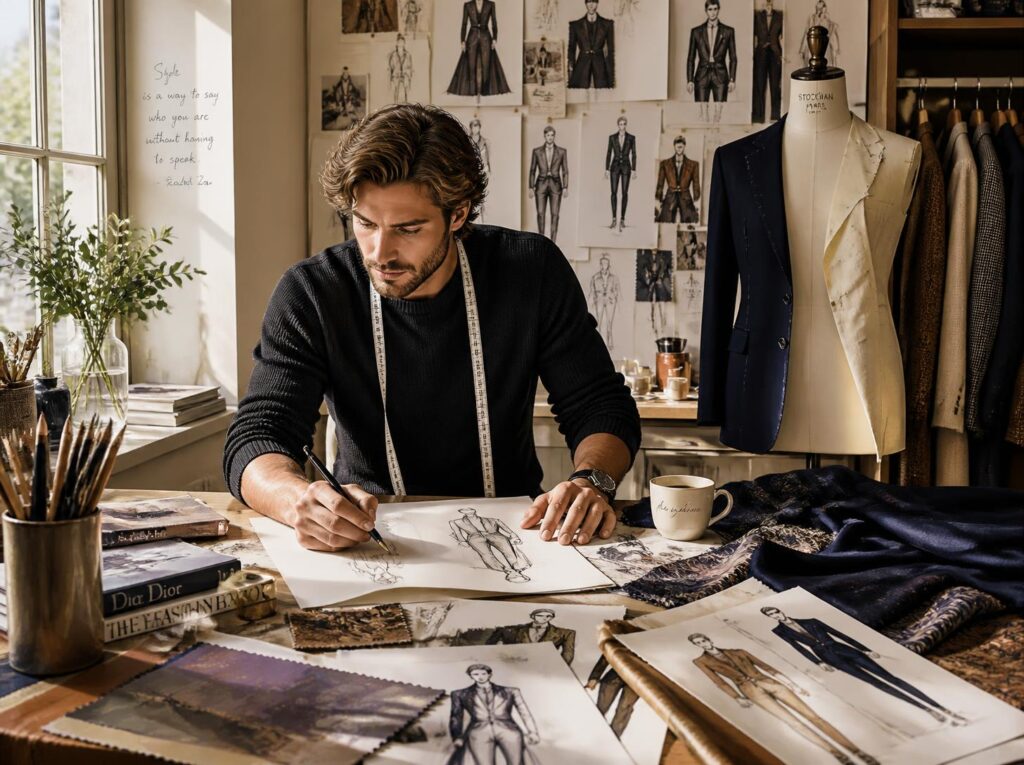
    At this stage, the idea becomes visual. The designer sketches the designs by hand or using digital software, experimenting with different proportions, lengths, and the placement of details. Different types of illustrations are needed in this process. A fashion sketch conveys the mood and overall look. A technical flat shows the garment's construction: seams, closures, pockets, and other elements that need to be discussed with the patternmaker and production team. To start learning, you don't need to draw like a professional illustrator. What matters is gradually mastering the skills to clearly communicate your vision.
  • Sourcing Fabrics and Trims

    The same design can look completely different in structured cotton, soft wool, or flowing viscose. That’s why material selection is an integral part of the design process from the very beginning. The designer evaluates how the fabric holds its shape, drapes, stretches, and feels against the skin. They select linings, buttons, zippers, and finishes, while also factoring in the cost and availability of materials. This is where creativity meets practicality: finding a solution that aligns with the design concept and is viable for manufacturing.
  • Attending Fittings and Refining Samples

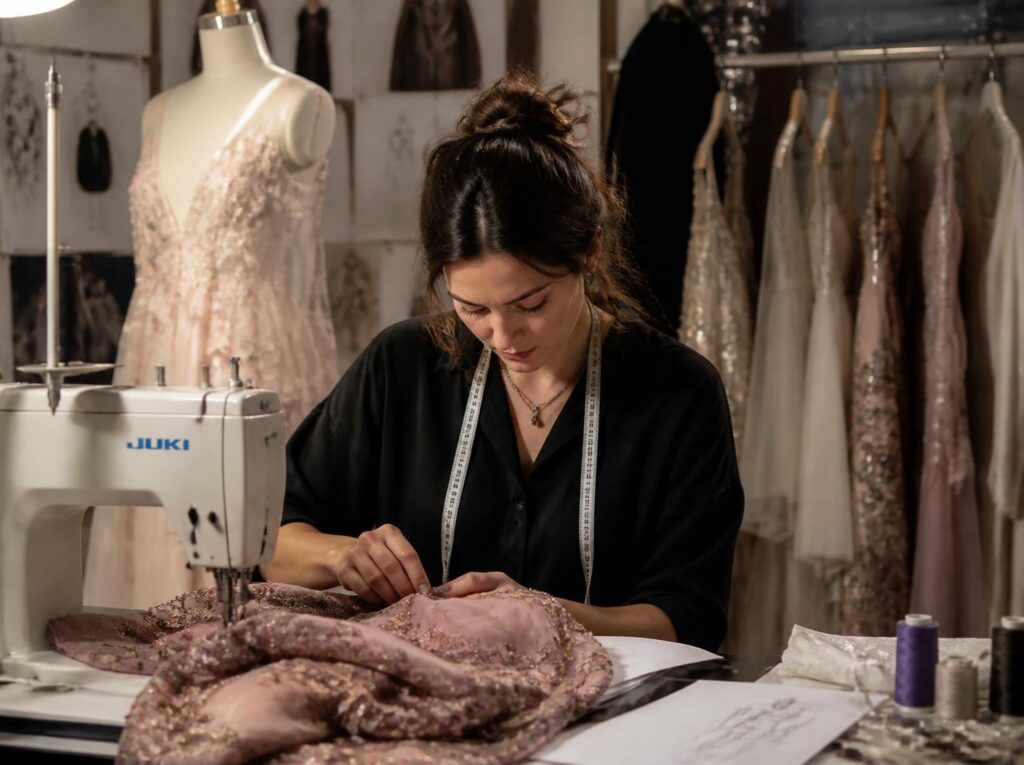
    Once the pattern is drafted and the first sample is sewn, the designer evaluates the result on a live model. Did the intended silhouette come through? Is it comfortable to move in? Are the pockets at the right height? Should the length or sleeve volume be adjusted? The first sample often requires several adjustments. This is a normal part of the process: it is through these meticulous details that the designer's original vision gradually takes physical form.
  • Collaborating with the Team and Preparing the Collection for Presentation

    The designer collaborates with patternmakers, production technologists, tailors, suppliers, and other specialists. The team's size depends on the scale of the brand: in a small label, one person might juggle multiple roles. The designer may also be involved in preparing for photoshoots and collection presentations. It is crucial to showcase the pieces in a way that allows the buyer to see their character, details, and styling potential.

A Day in the Life of a Fashion Designer

The schedule depends on the project phase. At the beginning of a collection, there is more research and sketching; closer to launch, it’s all about fittings, approvals, and working with samples.
For example, a typical day might look like this:
• In the morning: discuss jacket alterations with the patternmaker and review new fabric swatches.
• Before lunch: finalize sketches and explore a few colorway options.
• After lunch: conduct a fitting, evaluate the fit, and note down adjustments.
• At the end of the day: approve details with production and prepare materials for the presentation. There is plenty of room for imagination in this profession, but it also requires attentiveness, organization, and a willingness to constantly refine the result. The greatest reward is seeing an idea from your sketch turn into a real, tangible garment.

Essential Skills for a Fashion Designer

Good taste is a great starting point. However, professional work requires skills that can be developed through education and practice:
• Working with color and proportions. To control the visual impact of a garment and create harmonious combinations.
• Understanding fabrics. To select the right material for the desired silhouette and wearing conditions.
• Creating sketches and technical flats. To communicate ideas and provide clear instructions to the team.
• Developing a collection. To unite individual pieces into a well-thought-out assortment.
• Understanding the audience. To create clothing for specific people and their lifestyles.
• Embracing feedback. To see what can be improved and find effective solutions. Digital tools help visualize and format a project. But every decision—from fabric selection to pocket proportions—still requires a deep understanding of both the garment and the person who will wear it.

How to Take the First Step into the Profession

If you are still just gathering ideas, try setting yourself a specific challenge: design a small collection for a specific person and their lifestyle. Who will wear these pieces? What will unite them? Which fabrics will convey the right mood? How can you present the concept so that someone else will fully understand it? Through this process, it will become clearer what knowledge you need. Training with constructive feedback helps you navigate these stages consistently: testing your decisions, understanding your mistakes, and refining your project.

Copyright © IELFS the Italian Fashion school all rights reserved.
crossmenuchevron-down